Microplastics Raise Risk of Health Issues Among Coastal Residents

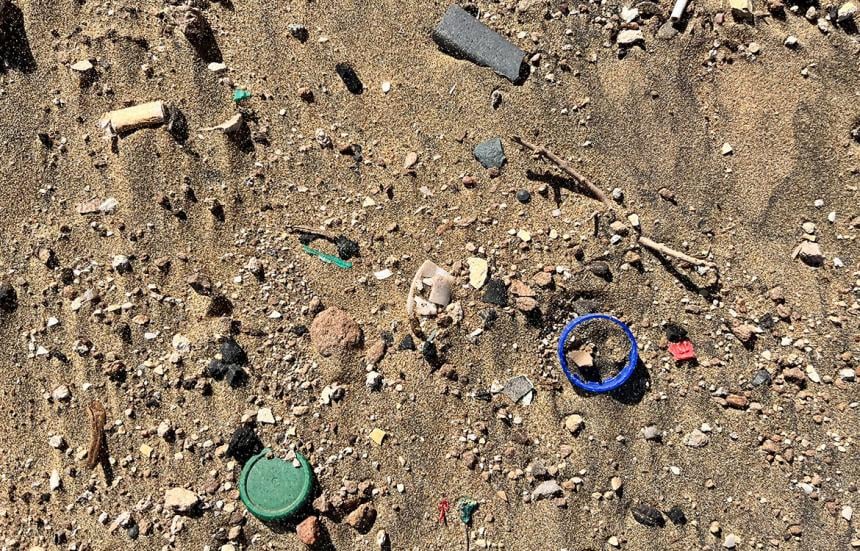
Every week, the average American unknowingly consumes a credit card-sized amount of plastic. For those living near the coast, the risks may be even greater. Recent research reveals a troubling connection between coastal living and increased rates of serious health conditions—and microplastics appear to be the culprit.
What Are Microplastics?
Microplastics are tiny particles of plastic debris less than 5 millimeters in size—about the width of a pencil eraser. Often, particles are much smaller than this. In fact, many are smaller than one-thousandth of a millimeter. Microplastics of this size are called nanoplastics, and they’re smaller than a strand of hair and nearly invisible to the naked eye.
These particles originate from numerous sources in our daily lives: synthetic clothing fibers like nylon and polyester, personal care products, car tires, paint, food packaging, and the gradual breakdown of larger plastic waste. Single-use water bottles alone contribute significantly to this growing problem.
How Did Microplastics Infiltrate Our Environment?
Microplastics were first discovered in oceans and the Great Lakes during the 1970s. Today, over 51 trillion microplastic particles contaminate global waters, entering through littering, storms, water runoff, and wind. Coastal areas within 200 nautical miles of shore have particularly high levels of contamination.
But the problem extends far beyond our oceans. Microplastics have infiltrated soil through landfill dumping, plastic mulching, and wastewater sludge, damaging soil structure and water absorption. They contaminate plants by adhering to seeds, roots, and leaves, and disrupt the function of earthworms that are essential to soil health.
Perhaps most concerningly, microplastics can pervade our water systems. Both bottled and tap water contain these particles, with bottled water showing higher concentrations per ounce. In coastal regions, seawater intrusion further compromises groundwater quality.
How We're Exposed
Currently, most Americans have already consumed thousands of microplastic particles. While coastal communities appear more affected, contamination is widespread across all populations. Exposure occurs through three main pathways:
Diet: We ingest microplastics through seafood—studies show 25% of California market fish have these particles, which accumulate in the gastrointestinal tract of marine life. Fruit and vegetables also show contamination, with apples and pears exhibiting particularly high levels. Our drinking water provides another avenue for ingestion.
Air: Microplastics are small enough to become airborne through everyday plastic use. Cutting or grinding plastic creates particles; washing synthetic clothing releases plastic fibers into the air we breathe.
Direct Contact: Preparing food on plastic surfaces, drinking beverages in plastic bottles with plastic caps and using a microwave to heat food stored in plastic containers raise your exposure.
Microplastics are More Problematic for Coastal Residents
A comprehensive study of 152 U.S. coastal counties that was conducted between 2015 and 2020 uncovered alarming health trends, according to a study published in the Journal of the American Heart Association. Counties with very high microplastic pollution levels showed:
- 18% higher prevalence of Type 2 diabetes
- 7% higher prevalence of coronary artery disease
- 9% higher prevalence of stroke
The Gulf of Mexico and Atlantic coasts demonstrated greater impact than the Pacific coast.
Researchers believe microplastics harm your health through multiple mechanisms. These particles release toxic additives and compounds, transport harmful microorganisms, including bacteria, viruses, and fungi, and challenge the integrity of our intestinal barrier. Once in the bloodstream, they accumulate in tissues and organs, causing oxidative stress and hormonal disruption.
Studies have linked microplastic exposure to elevated risk for cardiometabolic diseases such as heart disease, heart attack, insulin resistance, Type 2 diabetes, stroke, and fatty liver disease. Additionally, associations exist between microplastic exposure and cancer risk, inflammatory bowel disease, rheumatoid arthritis, autoimmune conditions, reproductive issues, immune system depression, and neurological toxicity.
Lowering Your Exposure to Microplastics
While we can't eliminate microplastic exposure, we can significantly reduce it through thoughtful choices:
Seafood Selection: Choose fish with short lifespans and small bodies, such as anchovies, sardines, and mackerel, which accumulate fewer microplastics. Thoroughly clean seafood before cooking and remove the digestive tract and abdomen, where particles tend to concentrate.
Food and Beverage Practices: Select fresh produce over pre-packaged items and buy from bulk bins rather than plastic containers. Store food in glass containers and use wooden cooking utensils. Never microwave food in plastic containers and use loose-leaf tea instead of tea bags.
Water Safety: Install reverse osmosis filtration systems in your home. Consider boiling water to reduce microplastic content and avoid plastic water bottles whenever possible.
Lifestyle Changes: Choose eco-friendly, natural products made from cotton and wood. Avoid single-use plastics, use less laundry water, line-dry clothing when feasible, research brand production methods, and minimize the use of plastic cutting boards.
There Are Many Unanswered Questions
Many critical questions remain unanswered. For example, how exactly do microplastics enter our bodies? What exposure levels become harmful? Where do particles accumulate? How do they affect long-term health?
Ongoing studies are measuring individual exposure to microplastics through water, food, and air while examining biological markers of inflammation and cardiovascular stress. Researchers are also investigating impacts on disability and cognitive function.
More research is needed to determine whether there's a direct causal relationship or just an association, to develop tools for measuring microplastic levels in individuals, and to understand which body sites tend to accumulate microplastics and cause long-term health effects.
In the meantime, work closely with your MDVIP-affiliated physician. They can provide guidance that may help you minimize your exposure to microplastics. They can also help you stay with your MDVIP Wellness Program, which includes advanced diagnostics not available with a standard physician and can help identify conditions associated with excessive exposure to microplastics.
If you don’t have a doctor, consider partnering with an MDVIP-affiliated physician. Find a physician near you and begin your partnership in health»