Beer Belly Has Ties to Harmful Heart Changes, Especially in Men

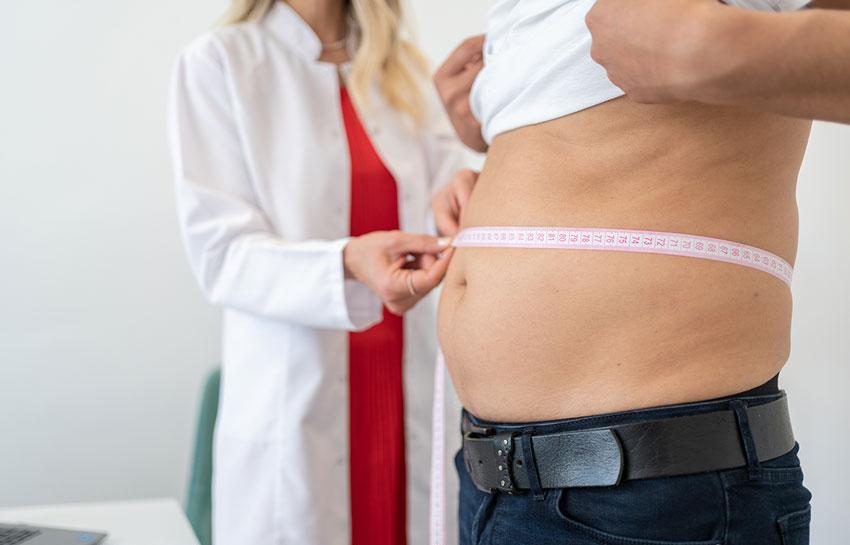
No one wants a beer belly: They’re unattractive and have been linked to health issues for years. Beer belly, the casual term used to describe abdominal obesity, is associated with more harmful changes in heart structure than overall body weight alone, according to a study presented at the 2026 annual meeting of the Radiological Society of North America (RSNA) in Chicago.
Study results found that men were particularly vulnerable to heart damage and highlighted the importance of keeping track of your waist-to-hip ratio as well as other types of weight and body composition metrics. Researchers also provided new approaches for protecting heart health.
Study Details
Researchers from University Medical Center Hamburg-Eppendorf (Germany) tapped into 2,244 adults without known heart disease enrolled in the ongoing Hamburg City Health Study to determine their body mass index (BMI) and waist-to-hip ratio (WHR) and review cardiac magnetic resonance imaging (MRI). Participants were aged 46 to 78 and 43% of them were female.
BMI is commonly used in studies to gauge obesity. However, it’s based on height and weight, which means it cannot distinguish between muscle and fat. It’s also not able to capture fat distribution
Waist-to-hip can suggest abdominal obesity. Abdominal obesity is dangerous because it affects hormonal balances, raising the risk of insulin resistance and type 2 diabetes. It’s also indicative of visceral fat - deep abdominal fat surrounding organs and triggers an unhealthy cholesterol profile, hormonal imbalances that can lead to insulin resistance and inflammation, which increases the risk of heart disease, diabetes, dementia and certain cancers.
Cardiac MRI is a test that provides detailed pictures of the heart and arteries. They’re used to help diagnose complex heart conditions.
Study Results
There’s a striking difference in the prevalence of obesity based on the metric used (i.e., BMI or vs. WHR). When researchers:
Used BMI, they classified 69% of males and 56% of females as overweight or obese.
Relied on World Health Organization criteria, WHR suggests that 91% of males and 64% of females met are obese.
This is important, as WHR has ties to more concerning cardiac remodeling. This involves molecular, cellular and interstitial changes that can cause the heart to alter in size, shape and function.
In this study, researchers found that abdominal obesity promotes a thickening of the heart muscle that doesn’t cause the overall size of the heart to increase, but instead, leads to smaller heart chambers. As a result, the heart holds and pumps less blood. These structural changes were significantly more prominent in men, particularly in the right ventricle, which pumps blood to the lungs, suggesting a connection between abdominal fat and breathing and lung pressure.
Smaller heart chambers also impair the heart's ability to relax properly, which can eventually lead to heart failure. MRI results also found subtle heart tissue changes in men that suggested early heart stress before symptoms appeared, regardless of factoring in other heart disease risk factors such as high blood pressure, smoking, diabetes, and unhealthy cholesterol profile.
Reducing Your Beer Belly
Controlling abdominal fat gets increasingly difficult as you age because hormones diminish and muscle mass wanes. However, there are a few lifestyle steps you can take to help control it, such as:
Eat a healthy diet that includes fiber-rich foods such as vegetables, fruit, nuts, seeds, beans and whole grains because they have fewer calories while making you feel full. Fiber also helps limit visceral abdominal fat. Consider following a Mediterranean style of eating.
Exercise cannot target a specific spot on your body, such as your abdominals. However, a well-rounded fitness routine that includes daily aerobic activity like walking and strength training several times a week to help you manage your weight, ultimately controlling abdominal fat.
Get between seven and nine hours of sleep each night. Sleep deprivation can lead to junk food cravings and extra calories.
Manage your stress. When you’re stressed, your body releases cortisol, a hormone that promotes weight gain, particularly in the abdominal area.
Track your waist-to-hip ratio. Use a tape measure to measure your waist and hips. Divide the waist circumference at its narrowest point by the hip circumference at its widest point. A ratio above 0.90 for men and 0.85 for women indicates abdominal obesity, according to the World Health Organization. Inform your doctor of your findings.
Lastly, you should also work with your doctor. They can help guide your lifestyle changes while continuing to manage your conditions and medications. MDVIP-affiliated doctors can develop a personalized weight management plan that's safe and effective for your situation and based on the results of your MDVIP Wellness Program.
If you don’t have a physician, consider joining an MDVIP-affiliated practice. MDVIP-affiliated physicians have more time to help you in your pursuit of a healthier lifestyle. Find a physician near you and begin your partnership in health»