Things to Consider Before Using Alternative Therapies
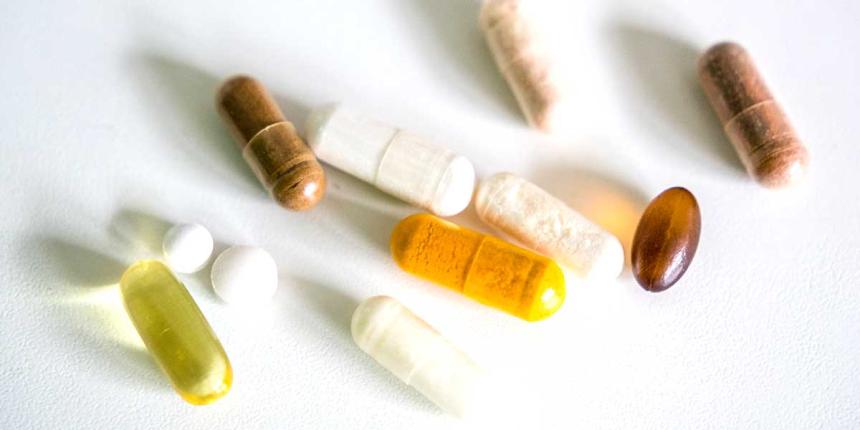
Wellness enthusiasts – people interested in youthful skin, maxing their performance, better sleep, injury recovery and more – are using gray-market peptides in hopes of improving their health. Groups of people hold “peptide parties,” The New York Times recently reported, events where people gather to get their share of bulk orders placed for peptides made in China, used in personalized combinations.
Gray-market peptides are just the latest in alternative therapies, non-conventional health treatments that come and go in popularity.
Alternative medicine is increasingly popular, appealing to people who are interested in athletic recovery, longevity, brain health or complex conditions like cancer. Alternative therapies can be practices, such as acupuncture and Ayurvedic medicine, or products, such as lion’s mane mushroom or NAD + IV drips.
Complex drug approvals processes and other regulations aren’t meant to keep people from being proactive about their health. Most care providers would love to see patients learn and do more to take control of their wellbeing.
But there’s a risk in going it alone, and doctors recommend you consult with them first before you add a new regimen, supplement or alternative approach. Many MDVIP-affiliated physicians practice integrated approaches, incorporating complementary medicine, holistic medicine, nutrition or alternative therapies.
Here are things you should consider before using alternative therapies.
Talk to your primary care provider. Always tell your physician what complementary and alternative medicines you’re using or considering, even supplements. They can help you understand whether any of them might interact with medications you’re already taking, whether they can cause complications because of your existing health conditions or tell you about how to safely use an alternative approach. There may also be more proven, conventional treatments to help you achieve the same goals with less risk.
Understand that natural doesn’t always mean safe. Natural substances can cause problems, too. Capsules of turmeric combined with black pepper – meant to increase turmeric’s bioavailability – have led to liver injuries, according to the American Journal of Medicine.
Some peptides are synthetic versions of hormones that our bodies make – but even so, they can be dangerous if they’re used in harmful doses or contaminated during production. They can also cause side effects. Physical therapies, including acupuncture and chiropractic medicine, also have some risks.
Find a vetted alternative therapy provider. If your health insurance plan covers treatment like acupuncture or chiropractic care, they may have a list of in-network providers available. You can also check state board websites to verify that a provider you’re interested in, such as an acupuncturist or chiropractor, is licensed. Ask your primary care doctor for recommendations or a referral.
Do research. Even though “Doctor Google” has a well-deserved reputation for promoting anxiety or leading people to leap to conclusions, you can use Google Scholar to dive into scientific studies to learn about the safety and effectiveness of a treatment you’re considering. Amazon’s Health AI, ChatGPT Health and Claude for Healthcare can also help you research alternative therapies. Just remember not to use online information to self-diagnose or treat yourself. When using AI, remember that it can sometimes “hallucinate” or make false statements, and that it can surface old and obsolete information. (This is one of the reasons it's essential to talk to include your doctor in any decisions about therapy.)
If you haven’t already, give yourself a lesson in how to interpret different types of published research before you hit the stacks.
You can also use publicly available sources such as:
- Use the National Center for Complementary and Integrative Health to read about alternative therapies.
- The Food & Drug Administration website (fda.gov) may also have information about the therapy you’re interested in.
- For information about supplements, visit the Office of Dietary Supplements website (ods.od.nih.gov), or the FDA’s Dietary
- Check the FDA’s site on recalls and safety alerts
- The Federal Trade Commission keeps a list of any actions it’s taken against companies for deceptive advertising. You can read consumer alerts on the agency’s Consumer Advice page.
- Public and university libraries can also help you research alternative approaches.
Look for a compounding pharmacy that meets standards. Compounded drugs are not FDA-approved. Compounding pharmacies are licensed by state boards of pharmacy, and they must follow FDA regulations. Many are also accredited by associations such as the Accreditation Commission for Health Care and the National Association of Boards of Pharmacy. You can look up registered pharmacies on the FDA’s Registered Outsourcing Facilities page, which lists the last inspection date and any actions, such as warning letters.
Finally, avoid using alternative medicine as a substitute for conventional treatment, to treat yourself or to postpone a visit with your care provider. Your MDVIP-affiliated physician can work with you on an integrated approach.
Sources:
Sun, J. (2026, January 3). ‘Chinese peptides’ are the latest biohacking trend in the tech world. The New York Times.
Musaimi, O. A. (2024). Exploring FDA-Approved Frontiers: Insights into Natural and Engineered Peptide Analogues in the GLP-1, GIP, GHRH, CCK, ACTH, and α-MSH Realms. Biomolecules, 14(3), 264.
Horwath, H. (2025, September 25). BPC-157: Experimental peptide creates risk for athletes. NPC Hello.
PowerfulJRE. (2026, February 27). Joe Rogan Experience #2461 - Robert F. Kennedy, Jr. [Video]. YouTube.
Halegoua-DeMarzio, D., Navarro, V., Ahmad, J., Avula, B., Barnhart, H., Barritt, A. S., Bonkovsky, H. L., Fontana, R. J., Ghabril, M. S., Hoofnagle, J. H., Khan, I. A., Kleiner, D. E., Phillips, E., Stolz, A., & Vuppalanchi, R. (2022). Liver Injury Associated with Turmeric—A Growing Problem: Ten Cases from the Drug-Induced Liver Injury Network [DILIN]. The American Journal of Medicine, 136(2), 200–206.