Eat More of These Legumes, Pulses, Nuts and Seeds
You’ve heard it many times: Your diet should include more plant-based foods.
Understandably, most people add more fruits, vegetables and whole grains to their diets. While these foods are very important, other types of plant-based foods such as legumes, pulses, nuts and seeds are often overlooked, even though they’re affordable and among the most nutrient-dense, complete foods available. They provide healthy fats, protein, fiber and nutrients that may help prevent and possibly control chronic conditions. They’re also low on the glycemic index, meaning they don’t spike blood sugar.
But not all legumes, pulses, nuts and seeds are equal. Here are a few standouts from each category.
Legumes & Pulses
Legumes and pulses can be used as ingredients in recipes, side dishes or added to salads. Navy beans, chickpeas, pinto beans and lentils are arguably among the healthiest.
Navy beans (also known as haircot beans, pearl haircot beans and white haircot beans) are a great source of plant-based protein and fiber, possibly helping manage weight. They’re rich in nutrients that contribute to heart health, digestion, blood sugar control, neuromuscular function, brain health and red blood cell production.
Eating navy beans also improves gut health, regulates the immune system and inflammatory processes in colorectal cancer survivors, according to University of Texas MD Anderson Cancer Center researchers. On the downside, navy beans have phytic acid and lectins. Phytic acid stores phosphorus in legumes, oil seeds and nuts, which can lock onto nutrients, preventing their absorption. While lectins are sticky, carbohydrate-binding proteins that affect how your body recognizes and interacts with sugar and certain proteins, they also interfere with the absorption of minerals such as iron and zinc.
Fortunately, you can lower phytic acid and lectin levels in navy beans by soaking them for six to eight hours before cooking. Properly cooking beans also reduces phytic acid and lectins and improves nutrient absorption. Navy beans are available dried and canned, and are commonly used in soups and as the beans in Boston baked beans.
Chickpeas (also known as garbanzo beans) are a substantial source of fiber, which can help manage your cholesterol profile, gut biome and weight. They’re also a good source of folate, a B vitamin involved with protein metabolism, cellular health and birth defect prevention.
However, they are high in FODMAPS and can cause issues if you have a digestive condition, particularly irritable bowel syndrome. They’re very versatile and can be roasted, smashed and made into flour. You can add them to salads, use them as a side dish or top them on pizza. Of course, chickpeas are the basis of hummus and an ingredient in many falafel recipes.
Pinto beans are the most popular bean in the U.S. They’re a very good source of protein, fiber, folate and antioxidants. Protein is involved with the growth, repair and maintenance of cells. Fiber helps you feel fuller longer, making it easier to manage weight. It also promotes heart health, digestive health, blood sugar control and healthy cholesterol profiles.
Folate, as previously mentioned, contributes to protein metabolism, cellular health and birth defect prevention. Antioxidants are plant-based compounds that help offset oxidative damage, which has been linked to age-related conditions. Pinto beans also have flavonoids, plant pigments with anticancer, antioxidant, anti-inflammatory and antiviral properties. Pinto beans are a staple in Mexican cuisine and are commonly used in burritos, fajitas, tacos and quesadillas. Like navy beans, they’re available in dried and canned options and should be presoaked to remove phytates and sugars.
Lentils are available in various colors, such as red, brown, yellow, green and black. While each color has its own unique nutritional profile, they all have fiber, lectins and polyphenols (plant compounds that help protect against many diseases). Polyphenols have many health benefits; for example, they may help control blood pressure and cholesterol, lowering the risk for cardiovascular disease.
Polyphenolic-rich foods also may inhibit tumor growth, helping to prevent some cancers. As previously mentioned, fiber helps manage blood sugar, fat metabolism and weight, which can lower your risk for obesity and type 2 diabetes. Lentils are available as dried or in ready-to-eat packages and can be used in soups/stews, salads and as a meat substitute.
Nuts & Seeds
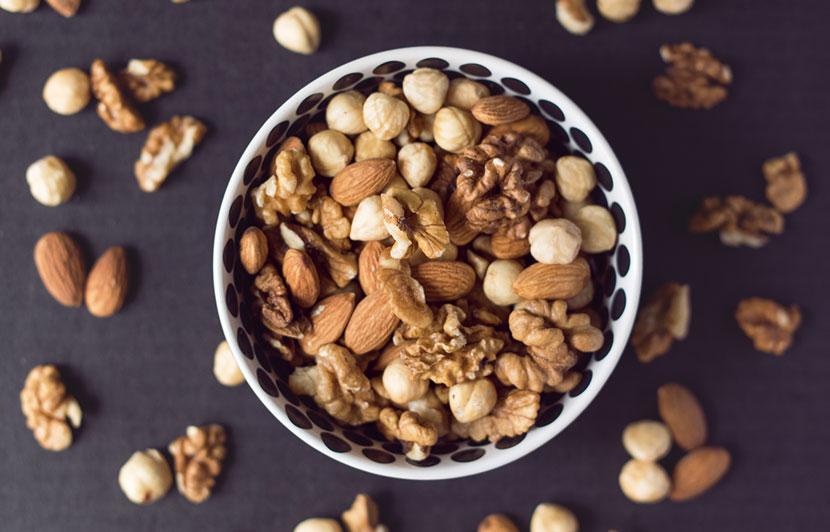
Nuts and seeds should be your go-to for snacks. Add them to oatmeal, salads and yogurt/fruit bowls, or grind them and sprinkle them into smoothies. They’re high in calories but good sources of protein, vitamins, minerals and healthy fats, helping to lower the risk of chronic conditions. Experts consider walnuts, almonds, flaxseeds and chia seeds among the healthiest nuts and seeds.
Walnuts are a great source of alpha-linoleic acid (ALA), a heart-healthy omega-3 fatty acid known for lowering inflammation, a primary risk factor for cardiovascular disease. In fact, eating walnuts every day can help lower bad cholesterol, possibly reducing the risk of cardiovascular disease, according to a report from Circulation, a journal of the American Heart Association.
Walnuts are also a good source of vitamin E. The AHA and vitamin E help maintain skin health by functioning as a natural moisturizer. Most of the antioxidants are in the skin of the walnut, so don’t peel the skin before eating it. You can also try walnut oil as a salad dressing base, as it also contributes to heart health, lowers blood sugar and has anti-cancer effects. It can also be used on the skin as a moisturizer.
Almonds are very nutritious. They’re a good source of protein, fiber, vitamin E, monounsaturated fat, riboflavin (a B vitamin involved in red blood cell production) and essential minerals (manganese, magnesium, copper and phosphorus). They also have zinc, iron and calcium, but the phytic acid in our digestive system prevents us from absorbing these nutrients from almonds.
The combination of nutrients in almonds is credited with helping control blood sugar levels, blood pressure, cholesterol, oxidation and hunger. The skin of the almond is also high in antioxidants, which have anti-inflammatory properties. This is why it’s best to eat raw almonds, instead of processed (including blanched), because processing erodes the skin, draining the nuts of nutrients.
Some almond products have value. For example, almond milk can be a healthy alternative to dairy milk and other plant-based milks, but not all almond milks are created equally. Almond butter can be a healthy snack, but you’ll need to check labels to compare the sugar content and added oils among different brands.
Flaxseeds are nutrient-dense seeds that provide ALAs, thiamine (a B vitamin involved in cell function and energy metabolism), fiber and lignans, a phytoestrogen or type of polyphenolic phytoestrogen (plant-based compounds that act as antioxidants and have anti-inflammatory and chemopreventive properties). These nutrients benefit your heart and digestive system, lower your risk for hormone-sensitive cancers such as breast and prostate and help lower inflammation. It’s better to consume ground flaxseeds than whole flaxseeds, as it’s easier for your body to absorb the nutrients. On the downside, consuming too much flaxseed can cause digestive issues.
Chia seeds are tiny black or white seeds from the mint family that are significant sources of fiber, protein, omega-3 fatty acids, antioxidants, calcium, magnesium and phosphorus. They are considered a superfood and can help lower the risk of heart disease, diabetes, stroke, obesity and inflammation. They work best when added to liquid to form a gel-like substance. Like flaxseeds, eating too many may cause digestive issues.
It’s better to buy raw nuts and seeds when possible. If the only options available are processed nuts and seeds, check the label. You may find some brands use unhealthy oils and more salt. Continue reading to learn more about nuts and seeds>>
Talk to your primary care doctor before making nutritional changes, including adding legumes, pulses, nuts and seeds to your diet. If you don’t have a doctor, consider working with MDVIP. MDVIP-affiliated physicians have the time and resources to help you focus on your nutrition. Find a physician near you and begin your partnership in health»